Eating With the River: A Month-by-Month Guide to Wild Salmon at Its Best
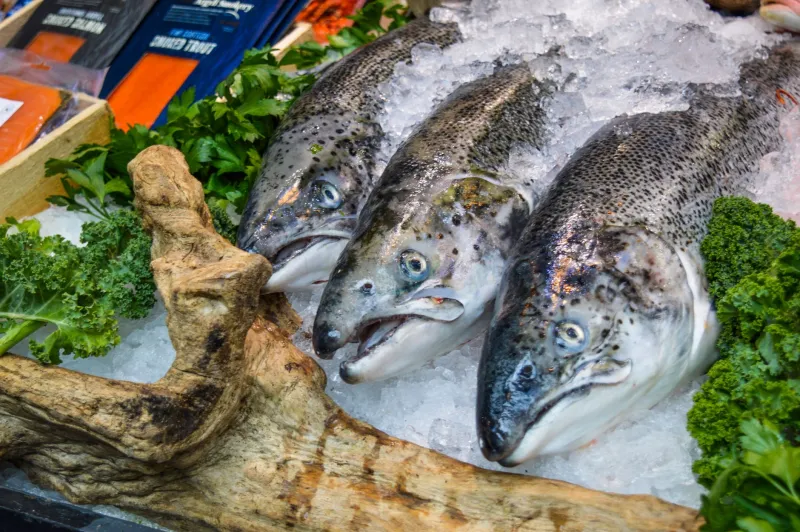
There is a reason the finest seafood restaurants in San Francisco, Seattle, and Portland treat wild salmon as a seasonal event rather than a standing menu fixture. Wild-caught salmon does not operate on a grocery store schedule. It runs on ancient biological rhythms — rhythms shaped by snowmelt, ocean temperature, and millions of years of evolutionary pressure. When consumers learn to eat in harmony with those rhythms, they gain access to fish at its nutritional and culinary peak, and they simultaneously become participants in one of the most important conservation strategies available to the average American household.
This is not merely a matter of flavor preference. Purchasing wild salmon during its natural season reduces economic pressure on fish populations during their most vulnerable periods, supports fishing communities that operate within sustainable harvest windows, and signals to processors and retailers that the market values ecological integrity. Seasonal buying, in short, is an act of both gastronomy and advocacy.
Why Seasonality Matters More Than You Might Expect
Farmed salmon is engineered to sidestep nature's calendar. Fed on controlled diets and harvested year-round, it offers consistency at the cost of something harder to quantify — the particular richness that comes from a wild fish that has spent years accumulating nutrients across thousands of miles of open ocean before returning home. Wild salmon build extraordinary reserves of omega-3 fatty acids, astaxanthin, and flavor compounds in preparation for their spawning migrations. The fish you eat at peak season is, biologically speaking, at the apex of its life's accumulation.
Beyond flavor, timing matters for the fish themselves. Many Pacific salmon runs are under significant stress from habitat loss, warming water temperatures, and decades of overharvest. Buying during established, well-managed seasons — and avoiding off-season products that may come from less scrupulous sources — keeps purchasing power aligned with conservation.
Spring: The Anticipation Season (March–May)
For most wild salmon enthusiasts, spring is a season of patience. Legitimate wild-caught Pacific salmon is largely unavailable fresh during these months, as major commercial seasons have not yet opened. What you will find at reputable fishmongers and retailers during this window is properly frozen wild salmon from the previous year's harvest — an excellent option when handled correctly. Flash-frozen salmon, caught and processed at sea within hours of harvest, retains virtually all of its nutritional and flavor qualities.
If a retailer is selling fresh wild salmon in March or April without a credible explanation of its origin, that is a signal worth scrutinizing. Responsible sourcing begins with honest labeling.
What to look for: High-quality frozen sockeye or coho from certified Alaskan fisheries. Look for Marine Stewardship Council (MSC) certification or Alaska's own state-managed sustainability standards.
Early Summer: The Arrival of Kings (May–July)
The season opens in earnest with Chinook salmon — the largest and most coveted of the Pacific species, known widely as king salmon. Commercial Chinook seasons in Alaska typically begin in May and run through July, with California's Sacramento River Chinook fishery operating under its own carefully managed schedule when conditions permit.
Chinook is the most luxurious of the five Pacific species, prized for its exceptionally high fat content and deep, buttery flavor. It commands premium prices, and rightfully so — a well-sourced king salmon fillet is among the finest things an American cook can bring to the table. Sockeye runs in Bristol Bay, Alaska, also begin in earnest by late June, marking the true beginning of salmon season for most consumers.
What to look for: Wild Alaska Chinook labeled with specific fishery information. Bristol Bay sockeye, one of the world's most abundant and well-managed wild salmon runs, begins appearing fresh by late June.
Peak Summer: Sockeye and the Height of the Season (July–August)
July and August represent the heart of the American wild salmon calendar. Bristol Bay sockeye is running at full volume, offering consumers access to what many consider the ideal everyday wild salmon: deeply red, robustly flavored, relatively lean compared to Chinook, and available in quantities large enough to make it genuinely accessible.
Sockeye's vivid color is a direct product of its diet — primarily zooplankton rich in astaxanthin — and its flavor reflects the cold, nutrient-dense waters of the North Pacific and Alaskan river systems. This is also the window when pink salmon, the most abundant Pacific species, enters the market. Often overlooked in favor of its more glamorous cousins, pink salmon is mild, versatile, and, when properly sourced and handled, an outstanding value for health-conscious families.
What to look for: Fresh Bristol Bay sockeye from verified Alaska-direct suppliers. Wild pink salmon from Southeast Alaska for an affordable, sustainable option ideal for weeknight cooking.
Late Summer to Fall: Coho and the Underrated Chum (August–November)
As summer gives way to fall, coho salmon — also called silver salmon — moves to the forefront. Coho occupies a pleasing middle ground between the richness of Chinook and the leanness of sockeye. Its firm texture holds up beautifully to grilling and roasting, and its moderate fat content makes it forgiving for home cooks. Pacific Northwest coho seasons typically run from August through October, with some Alaskan runs extending into November.
Chum salmon, the most underappreciated of the five species, also peaks in fall. Long dismissed as inferior due to its pale flesh and lower fat content, chum has earned renewed respect among chefs and sustainability advocates alike. It is one of the most abundant Pacific salmon species, its populations are generally healthy, and its roe — keta caviar — is prized in both domestic and international markets. For consumers willing to cook it thoughtfully, chum offers excellent sustainability credentials at an accessible price.
What to look for: Fresh coho from Oregon, Washington, or Alaska with clear harvest documentation. Fall chum from Alaskan fisheries for a budget-conscious, responsibly sourced choice.
Winter: Closing the Circle (November–February)
As the calendar turns toward winter, fresh wild Pacific salmon largely exits the market once more. This is the season to return to premium frozen product, to explore smoked and cured preparations from responsible producers, and to plan ahead for the coming year's season. It is also a natural moment for reflection — on the meals the season provided, on the fisheries that made them possible, and on the purchasing decisions that either supported or undermined the health of wild runs.
For consumers along the Atlantic coast, wild-caught Atlantic salmon from Maine's small but growing sustainable aquaculture and limited wild fishery operations occasionally appears during winter months, though availability remains limited.
The Deeper Logic of Seasonal Buying
Understanding the salmon calendar is ultimately about more than scheduling dinner. It is about recognizing that wild fish exist within ecosystems that have their own logic, their own pace, and their own limits. When American consumers choose to honor that logic — buying fresh when the runs are strong, choosing frozen when they are not, and asking hard questions about origin and certification year-round — they exercise a form of market advocacy that complements policy work, habitat restoration, and everything else the conservation community is fighting to achieve.
At Golden Gate Salmon, we believe that the dinner table is one of the most powerful places in the American food system. Eat with the river, and you become part of the effort to keep it running.